




Why construction sites and commercial properties often need their strongest security coverage between closing time and early morning.
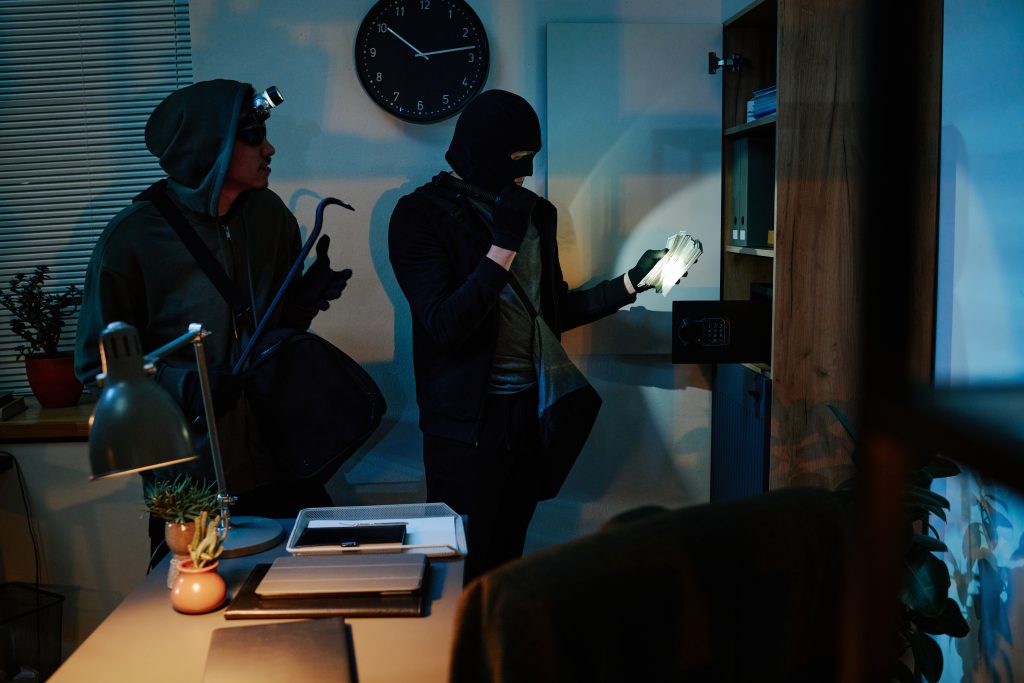
Property owners and contractors frequently ask: What time do criminals usually target a property at night? There is no universal hour when most crime occurs. The timing changes by offence, neighbourhood, property type, season, nearby activity and whether offenders believe the site is occupied or monitored.
For an unattended construction site or closed commercial property, a practical heightened-risk window is often 10:00 p.m. to 5:00 a.m. The quietest period—commonly between midnight and 4:00 a.m.—deserves particular attention because legitimate traffic may be low and suspicious activity can be harder for neighbours or workers to notice.
These hours are security-planning guidelines, not a claim that most crimes everywhere happen during that exact period. Every site should review its own incident history, local police information and surrounding activity before setting guard or patrol schedules.
In This Article
- The critical overnight security window
- Why unattended sites become vulnerable at night
- Risk levels throughout the night
- Nights that may require extra security
- Recommended guard and patrol coverage
- How to protect a property overnight
- Frequently asked questions
The Critical Overnight Security Window
For many construction, industrial and commercial sites, the security risk begins shortly after employees leave and continues until workers return. A useful planning window is:
- General overnight risk period: 10:00 p.m.–5:00 a.m.
- Most critical low-activity period: 12:00 a.m.–4:00 a.m.
- Transition periods requiring attention: Site closing and the hour before workers arrive
Closing time matters because gates, doors, equipment and materials may not have been fully secured. Early morning also matters because unauthorized activity can be disguised as legitimate workers or deliveries arriving before normal operations begin.
Why Construction Sites and Businesses Are More Vulnerable at Night
Fewer Witnesses
When employees, contractors, customers and delivery drivers have left, fewer people are available to notice unusual activity. Quiet roads and empty neighbouring properties can also reduce natural observation.
Limited Lighting
Dark areas make it easier to approach fencing, storage compounds, alleys, loading docks and parked equipment without being noticed. Poor lighting can also reduce the usefulness of some camera views.
Predictable Closing Schedules
If a property follows the same schedule every day, someone observing the location may learn when workers leave, gates are closed and patrols occur. Varying patrol times can make security less predictable.
Valuable Assets Left Unattended
Construction sites may contain tools, fuel, copper, machinery and materials. Commercial properties may contain inventory, cash-handling equipment, vehicles or electronics. These assets can become attractive targets when a site appears empty.
Temporary or Changing Perimeters
Construction fencing, gates and barriers may move as the project changes. A previously secure area can develop a new gap or camera blind spot within a single workday.
Delayed Discovery
Without guards or active monitoring, an incident may not be discovered until employees arrive in the morning. This can delay reporting, site repairs and project operations.
Overnight Security Risk by Time Period
6:00 p.m.–10:00 p.m.: Closing and Transition
This period may still have legitimate workers, cleaners, contractors and deliveries on the property. Security priorities include verifying who remains, confirming gates and doors, checking material storage and identifying equipment left outside.
Recommended actions:
- Complete a closing patrol
- Verify workers and contractors leaving the site
- Check gates, locks, fencing and temporary barriers
- Confirm camera views and lighting
- Record any equipment or vehicles remaining overnight
10:00 p.m.–12:00 a.m.: Reduced Legitimate Activity
Traffic around many properties begins to decline. Unauthorized people or vehicles may be easier to identify because fewer legitimate visitors are expected.
Recommended actions:
- Conduct an exterior and perimeter patrol
- Inspect areas not visible from public roads
- Review unexpected vehicles or movement
- Check loading docks, storage containers and trailers
12:00 a.m.–4:00 a.m.: Critical Low-Activity Period
This is often the quietest period for an unattended site and should receive strong guard, patrol or monitoring coverage. Security personnel should avoid predictable routines and inspect changing or vulnerable areas.
Recommended actions:
- Use several patrol times within the four-hour window
- Vary patrol routes and timing where appropriate
- Monitor gates, fencing, equipment and stored materials
- Review camera alerts promptly
- Document suspicious people, vehicles or damage
4:00 a.m.–7:00 a.m.: Early-Morning Transition
Delivery drivers, tradespeople, cleaning staff or early-shift workers may begin arriving. Security must distinguish authorized early arrivals from people using the increased activity as cover.
Recommended actions:
- Verify early workers and deliveries
- Maintain gate and visitor records
- Conduct a final overnight patrol
- Prepare a clear handover report for site management
When Overnight Risk May Be Higher
Some nights or project conditions justify additional coverage:
Weekends and Statutory Holidays
Sites may remain unattended for longer periods, giving unauthorized people more time before an incident is discovered.
Long Weekends
A property closed for several days may require continuous guards, additional mobile patrols or active camera monitoring.
After Valuable Deliveries
New tools, electrical equipment, copper, appliances or other valuable materials can increase exposure, especially when they arrive before secure storage is available.
Before Project Shutdowns
Seasonal shutdowns, labour disruptions, weather delays and holiday closures can change normal activity and leave equipment unattended.
After a Previous Incident
Repeated theft or trespassing may occur when offenders believe the property remains vulnerable. Review camera placement, fencing, lighting and guard hours immediately after an incident.
During Power, Alarm or Camera Problems
A system outage can remove an important security layer. Temporary physical guard coverage or increased patrols should be considered until the issue is resolved.
When the Site Layout Changes
New walls, trailers, containers and material stacks can block lighting or camera views. Patrol routes and monitoring zones should be updated as the project develops.
Recommended Overnight Security Coverage
Option 1: Continuous Security Guard
For higher-risk properties, schedule a guard from site closing until workers return. A common construction-site shift might be 8:00 p.m.–6:00 a.m. or 7:00 p.m.–7:00 a.m., depending on operating hours.
A continuous guard can:
- Control entry and verify authorized visitors
- Conduct repeated patrols
- Inspect gates, fencing and doors
- Respond to camera or alarm activity
- Contact management or emergency services
- Prepare daily activity and incident reports
Option 2: Scheduled Mobile Patrols
Lower-risk sites may use several mobile patrol visits. Patrols should focus on the critical overnight period and should not always occur at exactly the same minute.
Example patrol schedule:
- Closing inspection: approximately 9:00 p.m.
- First overnight patrol: approximately 11:00 p.m.
- Critical-period patrol: approximately 1:00 a.m.
- Critical-period patrol: approximately 3:00 a.m.
- Early-morning patrol: approximately 5:00 a.m.
This example should be adjusted for the site and should not be publicly posted at the property.
Option 3: Monitored Cameras
Monitored cameras can watch gates, equipment, storage areas and perimeter approaches. Solar and cellular cameras may be suitable for temporary sites without permanent power or internet service.
Camera monitoring should include clear escalation procedures. Recording alone may provide evidence after an incident but does not automatically produce an immediate response.
Option 4: Hybrid Guard and Camera Security
A hybrid solution combines guards, mobile patrols and CCTV monitoring. Cameras expand visibility, guards provide human judgment and patrol officers offer an on-site inspection option. This is often the strongest approach for large or changing properties.
How to Protect Your Property During High-Risk Overnight Hours
Secure the Perimeter
Inspect fencing, gates and barriers at the end of every workday. Repair openings promptly and avoid leaving materials stacked beside a fence where they can provide climbing access.
Improve Lighting
Use lighting at entrances, parking areas, loading zones, storage compounds and blind spots. The Calgary Police Service recommends measures such as motion-activated or timed lighting as part of break-and-enter prevention.
Control Keys and Access Credentials
Maintain records for keys, cards, gate codes and temporary credentials. Remove access promptly when a worker or contractor no longer requires it.
Protect Valuable Materials
Store tools, copper, fuel and high-value materials in secured areas. Keep detailed equipment records and avoid leaving keys inside vehicles or machinery.
Use Visible Deterrence
Uniformed guards, marked patrol vehicles, lighting, fencing and security signage can make the property appear actively protected.
Reposition Cameras as Conditions Change
Review day and night camera views regularly. Move or add cameras when construction, stored materials or temporary structures create new blind spots.
Create an Escalation Plan
Security personnel should know who to contact, what circumstances require emergency services and how to preserve incident information. For an active emergency or crime in progress, call 911.
Night Security Services in Edmonton, Calgary and Across Alberta
Overnight Security Guards Edmonton
Central Protection Services provides overnight security guards in Edmonton for construction sites, warehouses, commercial properties, industrial yards and residential developments. Services can include gate control, foot patrols, mobile patrols and CCTV monitoring.
Overnight Security Guards Calgary
Our Calgary night-security services can support construction projects, commercial buildings, parking areas, industrial sites and other properties requiring after-hours protection.
Night Security Across Alberta
Coverage can also be coordinated in Fort McMurray, Red Deer, Grande Prairie, Fort Saskatchewan, Nisku, Airdrie, Sherwood Park, St. Albert, Lethbridge, Medicine Hat and selected remote locations, subject to assignment requirements and personnel availability.
Why Choose Central Protection Services?
- Overnight and 24-hour security guards
- Scheduled and irregular mobile patrols
- Construction, commercial and industrial security
- CCTV installation, rental and monitoring
- Hybrid guard-and-camera security plans
- Digital patrol, activity and incident reporting
- 24/7 dispatch and management support
- Temporary, weekend and emergency coverage, subject to availability
Frequently Asked Questions
What time is property crime most likely to happen at night?
There is no universal time. For security planning at unattended construction and commercial sites, 10:00 p.m.–5:00 a.m. is a useful heightened-risk window, with particular attention to midnight–4:00 a.m. Local patterns and site history should guide the final schedule.
What are the most critical hours for construction-site security?
The period after legitimate activity stops and before workers return is usually most important. For many projects, that means overnight coverage from approximately 8:00 p.m. or 10:00 p.m. until 5:00 a.m. or 7:00 a.m.
Are weekends riskier for unattended properties?
They can be because the property may remain empty longer and incidents may not be discovered immediately. Long weekends and shutdowns should receive additional planning.
How many mobile patrols should a property receive overnight?
The number depends on site size, risk, previous incidents and operating hours. A starting plan may include a closing inspection and several visits during the midnight–4:00 a.m. period.
Are cameras enough for overnight security?
Cameras provide visibility and evidence, but monitored cameras with a documented response plan are stronger than recording alone. Higher-risk sites may need an on-site guard or a hybrid solution.
Can Central Protection provide overnight security on short notice?
Subject to location, assignment requirements and personnel availability, temporary or urgent overnight coverage may be arranged.
Request an Overnight Security Assessment
Do not wait for an overnight incident to discover gaps in your security. Central Protection Services can review your property, operating hours, previous concerns and high-value areas before recommending guards, patrols, cameras or a hybrid plan.
Central Protection Services Inc.
Toll-free: 1-888-401-9555
Dispatch: 587-401-3838
Email: info@centralprotection.ca
Website: www.centralprotection.ca