



Hybrid Construction Site Security in Alberta: Guards, Mobile Patrols and Intelligent CCTV
A practical security strategy for protecting construction equipment, materials and active jobsites in Edmonton, Calgary, Fort McMurray and communities across Alberta.
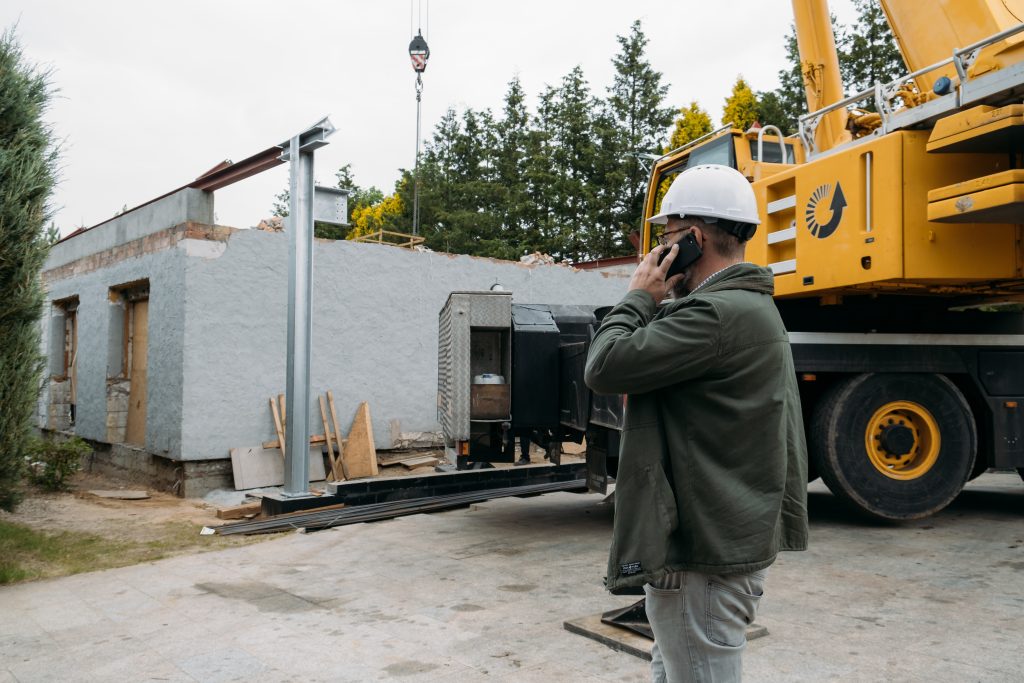
Construction sites change every day. New materials arrive, access points move, contractors enter and leave, and valuable equipment may remain unattended overnight. Traditional cameras can record an incident, but recording alone may not provide an immediate response. A single security guard can protect important areas, but one person cannot see every corner of a large or changing project at the same time.
That is why hybrid construction site security has become one of the most important physical-security approaches for 2026. A hybrid plan combines trained security guards, scheduled mobile patrols, solar or cellular CCTV cameras, intelligent detection and remote monitoring. Technology expands visibility while security personnel verify concerns, communicate with site management and take appropriate action.
Central Protection Services Inc. provides customized construction site security in Alberta, including Edmonton, Calgary, Fort McMurray, Red Deer, Grande Prairie, Fort Saskatchewan, Nisku and other service areas.
In This Guide
- Common construction-site security risks
- How hybrid security works
- The role of construction security guards
- When mobile patrols make sense
- Solar cameras and intelligent monitoring
- How to build a site security plan
- Alberta construction-security locations
- Frequently asked questions
Why Alberta Construction Sites Need Specialized Security
A construction project is different from a completed building. Fencing may be temporary, lighting may be limited and the site layout can change as work progresses. Multiple contractors, delivery drivers and visitors may require access during the day, while equipment and materials remain on the property overnight.
Common construction-site concerns include:
- Theft of tools, fuel, copper, equipment and building materials
- Unauthorized entry and trespassing
- Vandalism and deliberate property damage
- Open gates, damaged fencing or unsecured access points
- Unapproved vehicles entering or parking on the property
- Fire, smoke, water leaks and other site hazards
- Missing visitor, contractor or delivery documentation
- Limited visibility across large, dark or remote areas
Alberta’s occupational profile describes security guards as protecting property, people and information against risks such as fire, theft, vandalism and illegal entry. On a construction site, these duties must be converted into clear post orders that reflect the project’s layout, working hours and escalation procedures.
What Is a Hybrid Construction Security Solution?
A hybrid security solution uses people and technology as one coordinated system. Instead of relying exclusively on a stationary guard or unmonitored cameras, the security plan assigns each layer a specific purpose.
- On-site guards control access, patrol sensitive areas, interact with workers and respond to incidents.
- Mobile patrol officers inspect the property at scheduled or irregular times and document site conditions.
- Solar or cellular CCTV cameras watch entrances, storage areas, equipment zones and perimeter approaches.
- Intelligent video detection can help identify movement or unusual activity for review.
- Remote monitoring personnel assess alerts, follow site procedures and communicate with designated contacts.
- Digital reporting gives project management a record of patrols, visitors, incidents and observations.
This approach reflects a wider 2026 physical-security trend: video systems are increasingly being used for active detection and faster assessment rather than only for reviewing footage after an event. However, technology still needs people to evaluate context, make decisions and manage real-world interactions.
The Role of Construction Site Security Guards
Security guards are valuable when a site needs continuous presence, controlled access or immediate human response. Depending on the project, a construction security guard may:
- Open, monitor or secure designated gates
- Verify workers, visitors, deliveries and authorized vehicles
- Maintain visitor and delivery records
- Patrol fencing, trailers, storage areas and equipment zones
- Check doors, locks, lighting and temporary barriers
- Observe and report suspicious activity
- Document safety or security concerns with date- and time-based reports
- Contact project management or emergency services according to approved procedures
- Support fire-watch duties when properly assigned and required
Guard coverage is particularly useful during material deliveries, active gate hours, shutdowns, high-risk project stages and overnight periods when a site has valuable assets or repeated unauthorized activity.
When Mobile Patrol Services Are the Better Fit
Some construction projects do not need a guard stationed on the property for an entire shift. A mobile patrol program can provide visible, documented site checks at selected times.
During a patrol, an officer may inspect:
- Entrance gates and locks
- Temporary fencing and perimeter areas
- Site trailers, storage containers and exterior doors
- Parked equipment and high-value material areas
- Lighting, signs of entry and unusual vehicles
- Fire, water or weather-related concerns visible during the inspection
Mobile patrols can also strengthen camera coverage. When monitoring personnel observe activity that requires an on-site assessment, the response procedure may include contacting a patrol officer, site representative or emergency service, depending on the client-approved instructions and situation.
Solar Security Cameras and Intelligent Video Monitoring
Construction projects may not have permanent power, internet access or completed communications infrastructure. Solar-powered, battery-supported and cellular camera systems can provide flexible coverage without relying on a finished building.
Temporary construction cameras can be positioned to monitor:
- Main gates and vehicle entrances
- Material storage and laydown areas
- Equipment parking zones
- Fuel storage areas
- Site trailers and temporary offices
- Blind spots behind buildings or containers
- Perimeter sections with repeated activity
Intelligent video analytics can help bring selected events to a monitoring team’s attention. The system’s effectiveness still depends on correct camera placement, detection settings, lighting, connectivity, maintenance and response procedures. Cameras should be repositioned as the construction layout changes so that new blind spots do not develop.
Why Camera Recording Alone May Not Be Enough
A basic recording system may provide evidence after an incident, but it may not alert anyone while the activity is occurring. Live or event-based monitoring adds an assessment layer. When an alert is received, monitoring personnel can review the available video and follow the client’s escalation instructions.
The best results usually come from combining camera coverage with physical patrols, clear signage, controlled access and an updated site-security plan.
Guard, Patrol or Camera Monitoring: Which Option Does Your Site Need?
Choose an On-Site Guard When:
- The entrance must remain controlled
- Workers, visitors or deliveries require verification
- The site has repeated incidents or valuable exposed assets
- An immediate human presence is important
- The project requires continuous patrols and reporting
Choose Mobile Patrols When:
- The property mainly needs after-hours checks
- The site risk does not justify a full stationary shift
- Visible visits and lock inspections are the main priorities
- Several nearby properties need to be inspected
Choose Monitored Cameras When:
- Wide areas or multiple access points require visibility
- The site has limited power or internet infrastructure
- Project management needs recorded documentation
- Remote detection and assessment are required between patrols
Choose a Hybrid Security Plan When:
- The site’s risk changes between daytime and overnight hours
- One guard cannot observe the full property
- Cameras need a physical response option
- The client wants to balance coverage, response and budget
- The project layout changes frequently
How to Build a Construction Site Security Plan
1. Review the Site and Its History
Identify previous thefts, trespassing, vandalism, fire concerns and access problems. Review neighbouring roads, alleys, parking areas and properties that may affect the site.
2. Identify Valuable Assets and High-Risk Areas
Map tools, machinery, copper, fuel, materials, storage containers, trailers and unfinished areas. Determine which assets are easiest to access or remove.
3. Control Entry and Exit Points
Reduce unnecessary access points where practical. Define who may enter, during which hours and how visitors, contractors and deliveries will be recorded.
4. Select the Right Security Layers
Choose guard hours, patrol frequency, camera locations, monitoring periods and escalation contacts according to actual risk. Avoid using the same coverage model for every project stage.
5. Prepare Written Post Orders
Post orders should explain patrol routes, access rules, reporting expectations, prohibited activities, emergency contacts and the steps to follow when suspicious activity is observed.
6. Test Camera Views and Communications
Confirm that cameras cover the intended areas during the day and at night. Test cellular connectivity, alert delivery and communication between guards, patrol officers, monitoring personnel and project contacts.
7. Review the Plan as Construction Changes
Move cameras, update patrol routes and revise post orders as buildings, fencing, roads and storage areas change. A security plan that worked during excavation may not fit the finishing or occupancy stage.
Construction Site Security Across Alberta
Construction Site Security Edmonton
Central Protection Services provides construction security guards, mobile patrols, CCTV camera rentals and monitoring for Edmonton projects. Coverage can be designed for active gate hours, overnight protection, weekends, shutdowns or 24-hour operations.
Construction Site Security Calgary
Our Calgary construction security services can support residential developments, commercial projects, industrial properties and renovation sites. Clients can combine guards, patrols and camera monitoring according to project needs.
Fort McMurray and Northern Alberta
Remote and industrial projects may require extended scheduling, controlled access, camp security, equipment protection and cellular camera systems. Mobilization and assignment requirements are reviewed before coverage begins.
Red Deer, Grande Prairie, Fort Saskatchewan and Nisku
Security services can also be coordinated for construction and industrial projects in central Alberta, the Grande Prairie region, Fort Saskatchewan, Nisku and surrounding communities, subject to assignment requirements and personnel availability.
Why Choose Central Protection Services?
- Customized construction-site security plans
- Uniformed security guards and mobile patrol officers
- Solar, cellular and temporary CCTV options
- Remote camera monitoring and documented escalation procedures
- Digital daily activity, visitor and incident reports
- Temporary, overnight, weekend and 24-hour coverage
- Service coordination in major Alberta cities and selected remote areas
- Hybrid solutions that combine personnel and technology
Frequently Asked Questions
How much does construction site security cost in Alberta?
The cost depends on the location, required guard hours, patrol frequency, number and type of cameras, monitoring requirements, site risk and contract duration. A site review helps determine the appropriate coverage and price.
Are guards or cameras better for a construction site?
Neither option is automatically better. Guards provide human judgment, access control and physical response, while cameras provide broad visibility and recorded documentation. Many projects benefit from combining both.
Can security cameras work without site power or Wi-Fi?
Yes. Depending on site conditions, temporary systems can use solar power, battery support and cellular connectivity. Performance depends on available sunlight, battery capacity, network coverage and equipment configuration.
Can cameras be moved as the project changes?
Yes. Temporary camera systems should be reviewed and repositioned when buildings, fencing, materials or access routes create new blind spots.
Do you provide temporary and overnight construction security?
Yes. Subject to availability, Central Protection Services can arrange temporary, overnight, weekend, emergency and ongoing security coverage.
What information is needed for a construction security quote?
Provide the site address, project type, requested start date, operating hours, previous incidents, approximate site size, access points, high-value assets and preferred combination of guards, patrols or cameras.
Request a Construction Security Assessment
Protect your Alberta construction project with a plan built around the actual site—not a generic package. Contact Central Protection Services to discuss guards, mobile patrols, temporary CCTV cameras, remote monitoring or a complete hybrid security solution.
Central Protection Services Inc.
Toll-free: 1-888-401-9555
Dispatch: 587-401-3838
Email: info@centralprotection.ca
Website: www.centralprotection.ca